

NON-ILLUMINATED LETTERS · TECHNICAL BUYER GUIDE
Metal vs Acrylic Dimensional Letters: A Buyer Comparison
The choice between metal vs acrylic dimensional letters depends on the approved finish, edge visibility, letter depth, graphic geometry and installation surface. Commercial buyers should compare both non-illuminated constructions against the same wall conditions and handling requirements before approving the manufacturing drawing.
- Review the approved artwork, project dimensions and installation context.
- Connect construction decisions to engineering, inspection and shipment preparation.
- Clarify the information needed before requesting a factory-direct quotation.
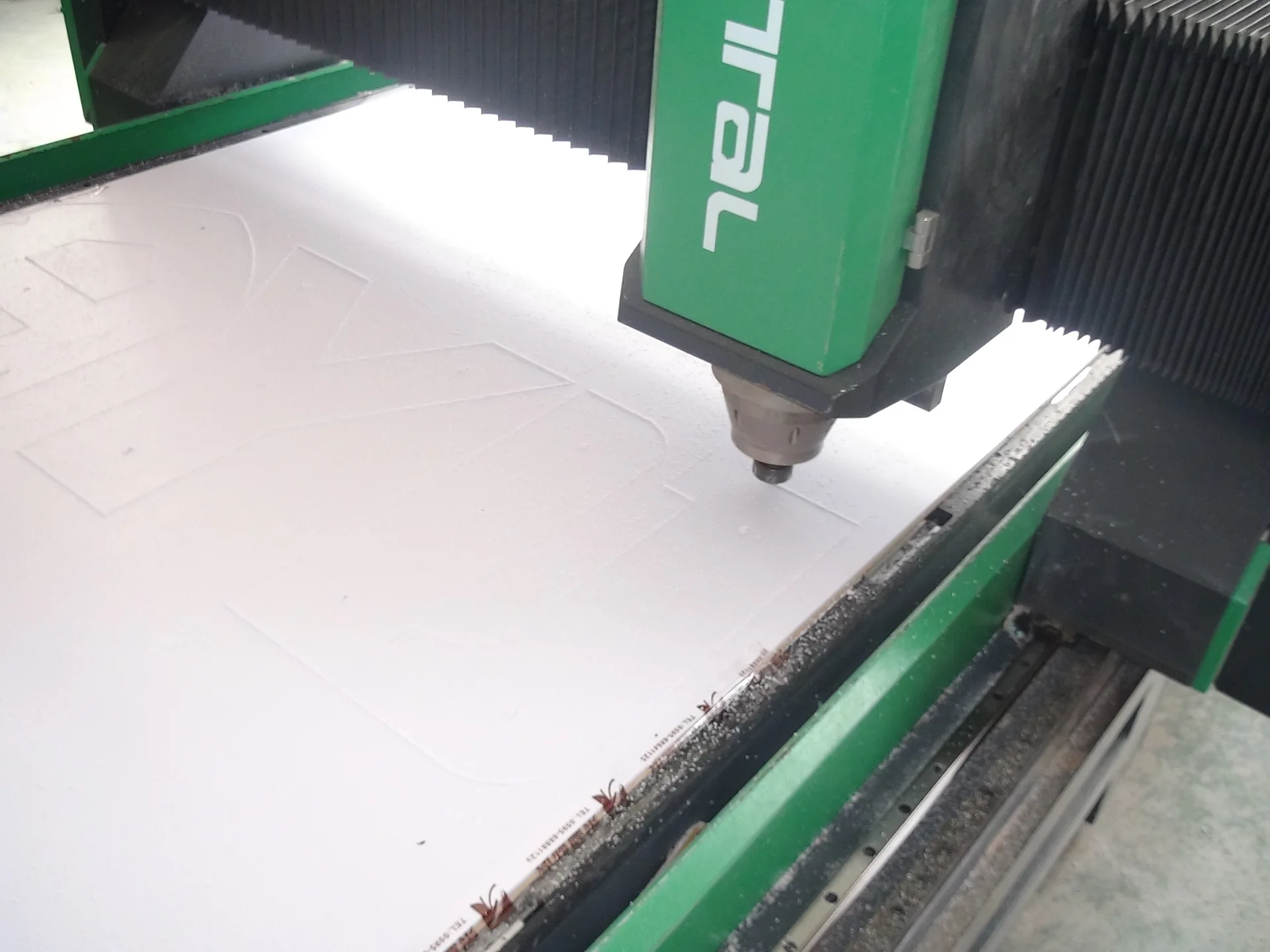
BUYER DECISION FRAMEWORK
Start With the Actual Project Conditions
A useful comparison begins with manufacturing scope, installation context and the real approval documents.
PROJECT INPUT
Metal dimensional letters
Metal construction creates a distinct surface finish, edge treatment and project-specific fixing detail.
- Compare appearance at viewing distance
- Assess depth and letter profile
- Review graphic complexity
BUYER DECISION
Acrylic dimensional letters
Acrylic offers a different visual edge, material profile and coordination approach for the same brand mark.
- Coordinate installation conditions
- Consider maintenance and handling
- Select with complete project inputs
This guide focuses on office interiors, commercial lobbies, hospitality entrances and architectural brand walls. It explains the decisions a manufacturing partner can review, the information a buyer should provide and the site-specific checks that remain the responsibility of qualified local installers. Final dimensions, components, documentation and delivery arrangements must always be confirmed for the actual project.
TECHNICAL REVIEW
Compare Metal and Acrylic Non-Illuminated Letter Construction
For dimensional letters, the right approach depends on the relationship between machined acrylic, metal, engineered boards and suitable mounting hardware. Each decision below should be reviewed against a specific drawing, the installation environment and the information supplied by the local project team.
Compare appearance at viewing distance
Material reflectivity, color and visible edges influence how the brand reads in its actual setting.
Review the selected finish against the project wall and expected lighting conditions. The goal is to eliminate assumptions before fabrication begins. A supplier cannot reliably verify concealed building conditions or local requirements from an isolated product photograph, so available elevations, site images and installer comments should be reviewed alongside the approved artwork.
Assess depth and letter profile
Material thickness and fabrication method determine how dimensional the finished letter appears.
Request a section drawing showing the intended face and edge detail. This is especially important when the project includes detailed branding, multiple sign elements or a customer-facing architectural finish. Any unresolved interface should be identified on the drawing rather than left to interpretation after materials have been processed.
Review graphic complexity
Fine letter strokes and intricate logos may create different manufacturing considerations across materials.
Provide the current vector artwork and discuss any small or fragile elements. For repeat programs or phased delivery, document the approved construction reference so later orders follow the same project intent. Changes to dimensions, components or site conditions should trigger another review before a revised assembly is manufactured.
Coordinate installation conditions
The selected material must be paired with the actual wall substrate and local fixing method.
Ask the installation contractor to verify appropriate support and wall protection. The goal is to eliminate assumptions before fabrication begins. A supplier cannot reliably verify concealed building conditions or local requirements from an isolated product photograph, so available elevations, site images and installer comments should be reviewed alongside the approved artwork.
Consider maintenance and handling
Surface finish, cleaning approach and transport protection should be reviewed around the real application.
Avoid assuming one material is universally better without the actual project context. This is especially important when the project includes detailed branding, multiple sign elements or a customer-facing architectural finish. Any unresolved interface should be identified on the drawing rather than left to interpretation after materials have been processed.
Select with complete project inputs
Brand requirements, quantity, installation environment and repeat-order consistency determine the practical choice.
Compare complete manufacturing scope rather than selecting on material name alone. For repeat programs or phased delivery, document the approved construction reference so later orders follow the same project intent. Changes to dimensions, components or site conditions should trigger another review before a revised assembly is manufactured.
Evaluate the Approved Non-Illuminated Letters Production Scope
For sign shops, interior contractors and commercial brand teams, this review creates a practical handover between brand approval, engineering, fabrication and local installation. The objective is not to promise a universal material, delivery date or certification. It is to define a reviewable project scope, identify unknowns early and align the finished dimensional letter with the documented commercial application.
Published Technical References for Non-Illuminated Letters
A complete project review should identify metal surface treatment, acrylic edge quality, achievable depth, small-detail geometry, wall fixing, packing and finish protection. Confirm which details are already fixed in the approved drawing, which depend on the actual installation site, and which require a written answer from the buyer, local installer or factory before production begins.
Use the published artwork and file preparation guide to check vector artwork, controlled dimensions, color references and project inputs. Refer to the export packaging checklist when the project team needs to verify surface protection, carton or crate selection, package identification and handover records. These references address adjacent decisions without substituting for the article’s specific engineering scope.
Keep the review centered on the actual non-illuminated letters construction, site interface and approval responsibilities. Maintain the latest project dimensions, finish references and identified installation limitations together so the quotation, production drawing and installer handover follow the same controlled information.
| Project decision | Manufacturing or installation review |
|---|---|
| Compare appearance at viewing distance | Review the selected finish against the project wall and expected lighting conditions. |
| Assess depth and letter profile | Request a section drawing showing the intended face and edge detail. |
| Review graphic complexity | Provide the current vector artwork and discuss any small or fragile elements. |
| Coordinate installation conditions | Ask the installation contractor to verify appropriate support and wall protection. |
| Consider maintenance and handling | Avoid assuming one material is universally better without the actual project context. |
| Select with complete project inputs | Compare complete manufacturing scope rather than selecting on material name alone. |
Review PridLED’s non-illuminated letters to connect these technical decisions with the appropriate commercial product category.
TECHNICAL BUYER FAQ
Comparing Metal and Acrylic Letters
Clarify scope, project inputs and installation responsibilities before requesting a manufacturing review.
What should be compared for non-illuminated metal and acrylic letter sets?
Review the finished face and edge, actual depth, small-detail geometry, letter weight and fixing interface against the same wall. Keep lighting components outside this comparison and document how the approved surfaces will be protected during transport and installation.
FACTORY-DIRECT PROJECT REVIEW
Planning a Dimensional Letter Project?
Send your artwork, dimensions, site conditions and delivery requirements. PridLED can review the relevant construction, engineering and handover inputs before preparing a project-specific quotation.