

CHANNEL LETTER SIGNS · TECHNICAL BUYER GUIDE
Wall Conditions for Channel Letters: What to Confirm Before Fabrication
Channel letter wall mounting requirements depend on the real substrate, available backing, permitted penetrations, access conditions and the party responsible for local engineering. A factory can prepare the approved letter interface, but a qualified installer must verify the actual wall and site-specific fixing suitability.
- Review the approved artwork, project dimensions and installation context.
- Connect construction decisions to engineering, inspection and shipment preparation.
- Clarify the information needed before requesting a factory-direct quotation.
BUYER DECISION FRAMEWORK
Start With the Actual Project Conditions
A useful comparison begins with manufacturing scope, installation context and the real approval documents.
PROJECT INPUT
Visible facade conditions
Surface texture, cladding, layout space and viewing angle shape the appearance of the installed sign.
- Identify the actual substrate
- Locate structural support
- Check surface geometry and level
BUYER DECISION
Hidden support conditions
Substrate depth, backing structure, cable routes and access behind the wall determine whether the proposed interface is practical.
- Plan penetrations and cable routes
- Consider weather and exposure
- Define installation responsibilities
This guide focuses on commercial storefronts, shopping centers and exterior building facades. It explains the decisions a manufacturing partner can review, the information a buyer should provide and the site-specific checks that remain the responsibility of qualified local installers. Final dimensions, components, documentation and delivery arrangements must always be confirmed for the actual project.
TECHNICAL REVIEW
Verify Wall Substrates, Backing and Permitted Penetrations
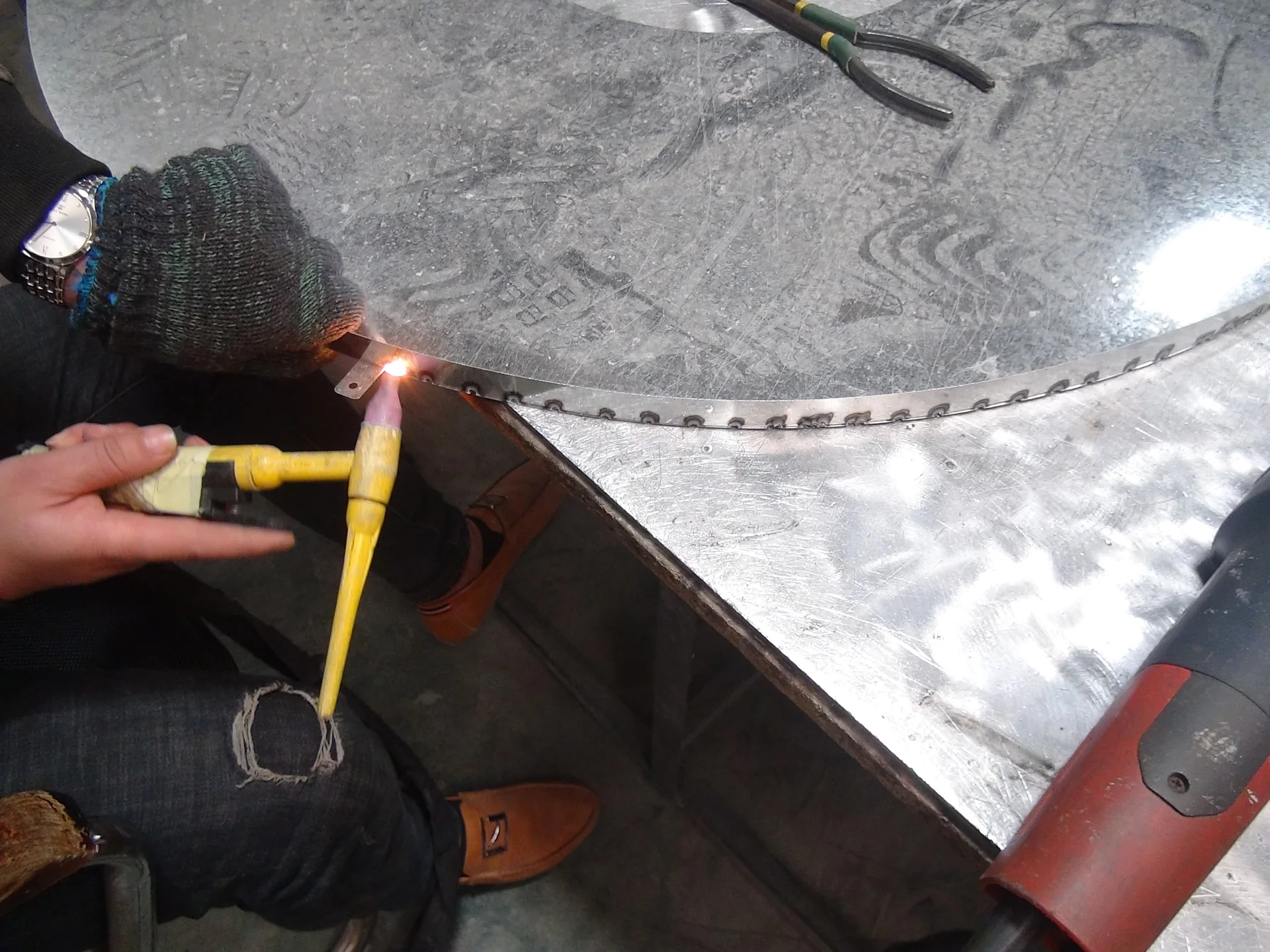
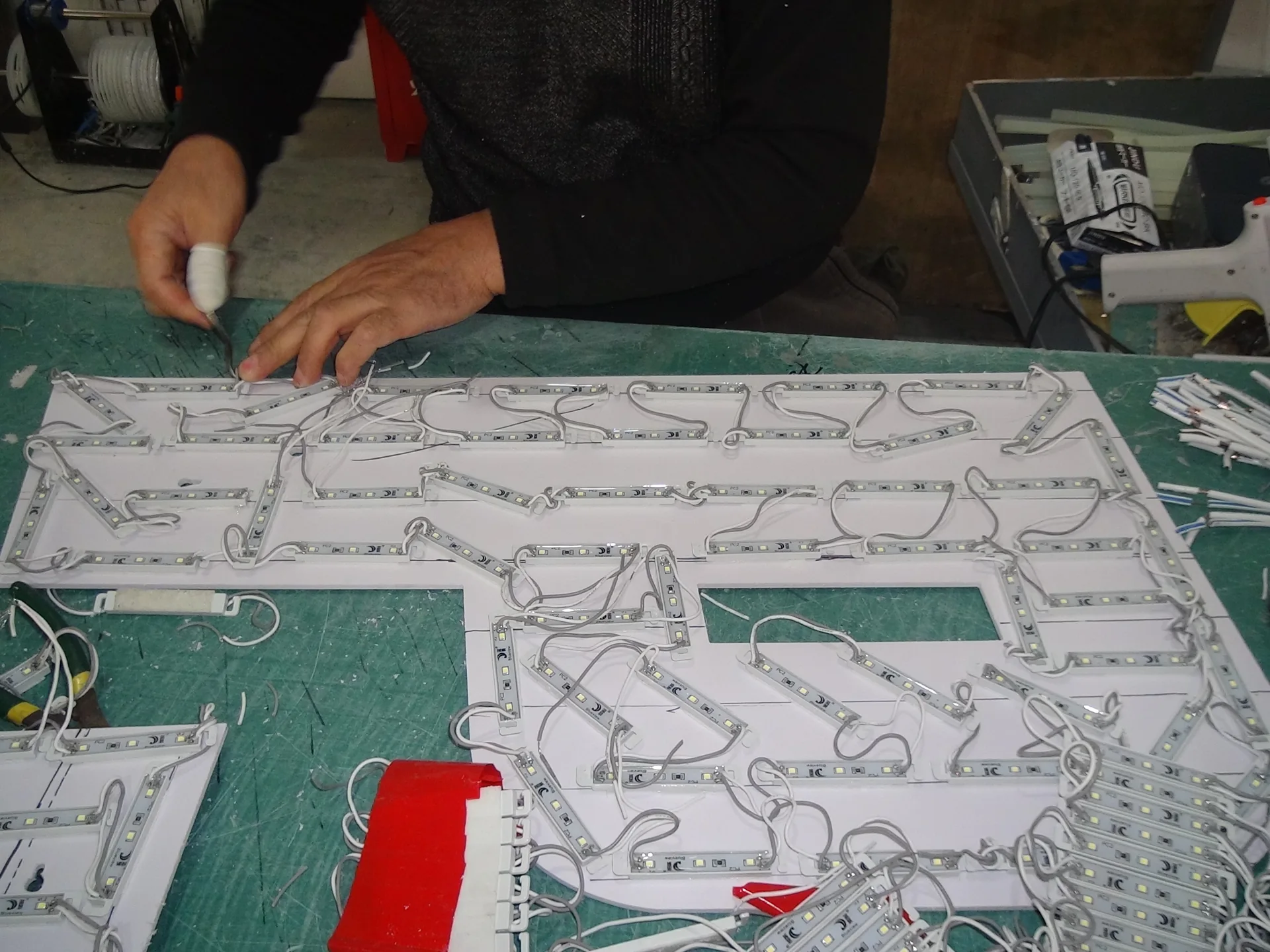
For channel letters, the right approach depends on the relationship between acrylic faces, formed metal returns, back panels and project-appropriate LED components. Each decision below should be reviewed against a specific drawing, the installation environment and the information supplied by the local project team.
Identify the actual substrate
Concrete, masonry, composite cladding and interior finish walls create different local fixing considerations.
Collect accurate site photographs and any available construction details before drawings are approved. The goal is to eliminate assumptions before fabrication begins. A supplier cannot reliably verify concealed building conditions or local requirements from an isolated product photograph, so available elevations, site images and installer comments should be reviewed alongside the approved artwork.
Locate structural support
The visible facade may not indicate where suitable support exists behind the surface.
Have the local installer verify structure and recommend the appropriate fixing approach. This is especially important when the project includes detailed branding, multiple sign elements or a customer-facing architectural finish. Any unresolved interface should be identified on the drawing rather than left to interpretation after materials have been processed.
Check surface geometry and level
Uneven surfaces, panel joints, trim and facade projections can interfere with individual letter alignment.
Mark obstacles and measured offsets on the project elevation. For repeat programs or phased delivery, document the approved construction reference so later orders follow the same project intent. Changes to dimensions, components or site conditions should trigger another review before a revised assembly is manufactured.
Plan penetrations and cable routes
Wall-entry locations and access behind the surface influence the sign’s cable exit arrangement.
Coordinate the cable path with the installer and electrical professional. The goal is to eliminate assumptions before fabrication begins. A supplier cannot reliably verify concealed building conditions or local requirements from an isolated product photograph, so available elevations, site images and installer comments should be reviewed alongside the approved artwork.
Consider weather and exposure
Outdoor exposure, drainage expectations and environmental conditions should be discussed during engineering review.
Avoid assuming an installation method is suitable until the actual site conditions are confirmed. This is especially important when the project includes detailed branding, multiple sign elements or a customer-facing architectural finish. Any unresolved interface should be identified on the drawing rather than left to interpretation after materials have been processed.
Define installation responsibilities
Manufacturing drawings support coordination but do not replace local structural or electrical evaluation.
Document which project team verifies substrate capacity and completes site work. For repeat programs or phased delivery, document the approved construction reference so later orders follow the same project intent. Changes to dimensions, components or site conditions should trigger another review before a revised assembly is manufactured.
Evaluate the Approved Channel Letter Signs Production Scope
For sign shops, commercial contractors and brand procurement teams, this review creates a practical handover between brand approval, engineering, fabrication and local installation. The objective is not to promise a universal material, delivery date or certification. It is to define a reviewable project scope, identify unknowns early and align the finished channel letter with the documented commercial application.
Published Technical References for Channel Letter Signs
A complete project review should identify wall construction, structural backing, cladding thickness, permitted penetrations, weather sealing, cable routes and local installer verification. Confirm which details are already fixed in the approved drawing, which depend on the actual installation site, and which require a written answer from the buyer, local installer or factory before production begins.
Use the published channel letter mounting guide to review the mounting-interface options already documented for channel letters. Refer to the raceway versus flush-mount channel letter comparison when the project team needs to understand the separate mounting-method decision without confusing it with site-specific execution. These references address adjacent decisions without substituting for the article’s specific engineering scope.
Keep the review centered on the actual channel letter signs construction, site interface and approval responsibilities. Maintain the latest project dimensions, finish references and identified installation limitations together so the quotation, production drawing and installer handover follow the same controlled information.
| Project decision | Manufacturing or installation review |
|---|---|
| Identify the actual substrate | Collect accurate site photographs and any available construction details before drawings are approved. |
| Locate structural support | Have the local installer verify structure and recommend the appropriate fixing approach. |
| Check surface geometry and level | Mark obstacles and measured offsets on the project elevation. |
| Plan penetrations and cable routes | Coordinate the cable path with the installer and electrical professional. |
| Consider weather and exposure | Avoid assuming an installation method is suitable until the actual site conditions are confirmed. |
| Define installation responsibilities | Document which project team verifies substrate capacity and completes site work. |
Review PridLED’s channel letter signs to connect these technical decisions with the appropriate commercial product category.
TECHNICAL BUYER FAQ
Confirming the Wall Mounting Interface
Clarify scope, project inputs and installation responsibilities before requesting a manufacturing review.
Can a storefront photograph confirm suitable wall fixings?
No. A photograph helps explain the surface and available space, but the local team must verify structural backing, concealed services, permitted penetrations and the fixing design. Record those confirmed interfaces in the manufacturing drawing.
FACTORY-DIRECT PROJECT REVIEW
Planning a Channel Letter Project?
Send your artwork, dimensions, site conditions and delivery requirements. PridLED can review the relevant construction, engineering and handover inputs before preparing a project-specific quotation.