

CHANNEL LETTER SIGNS · TECHNICAL BUYER GUIDE
Trimless vs Trim-Cap Channel Letters: Construction and Project Trade-Offs
Comparing trimless vs trim cap channel letters starts with the way an illuminated face is retained at the return edge. Commercial sign buyers should review the visible profile, face tolerances, letter geometry, finish expectations and service access before approving a construction detail.
- Review the approved artwork, project dimensions and installation context.
- Connect construction decisions to engineering, inspection and shipment preparation.
- Clarify the information needed before requesting a factory-direct quotation.
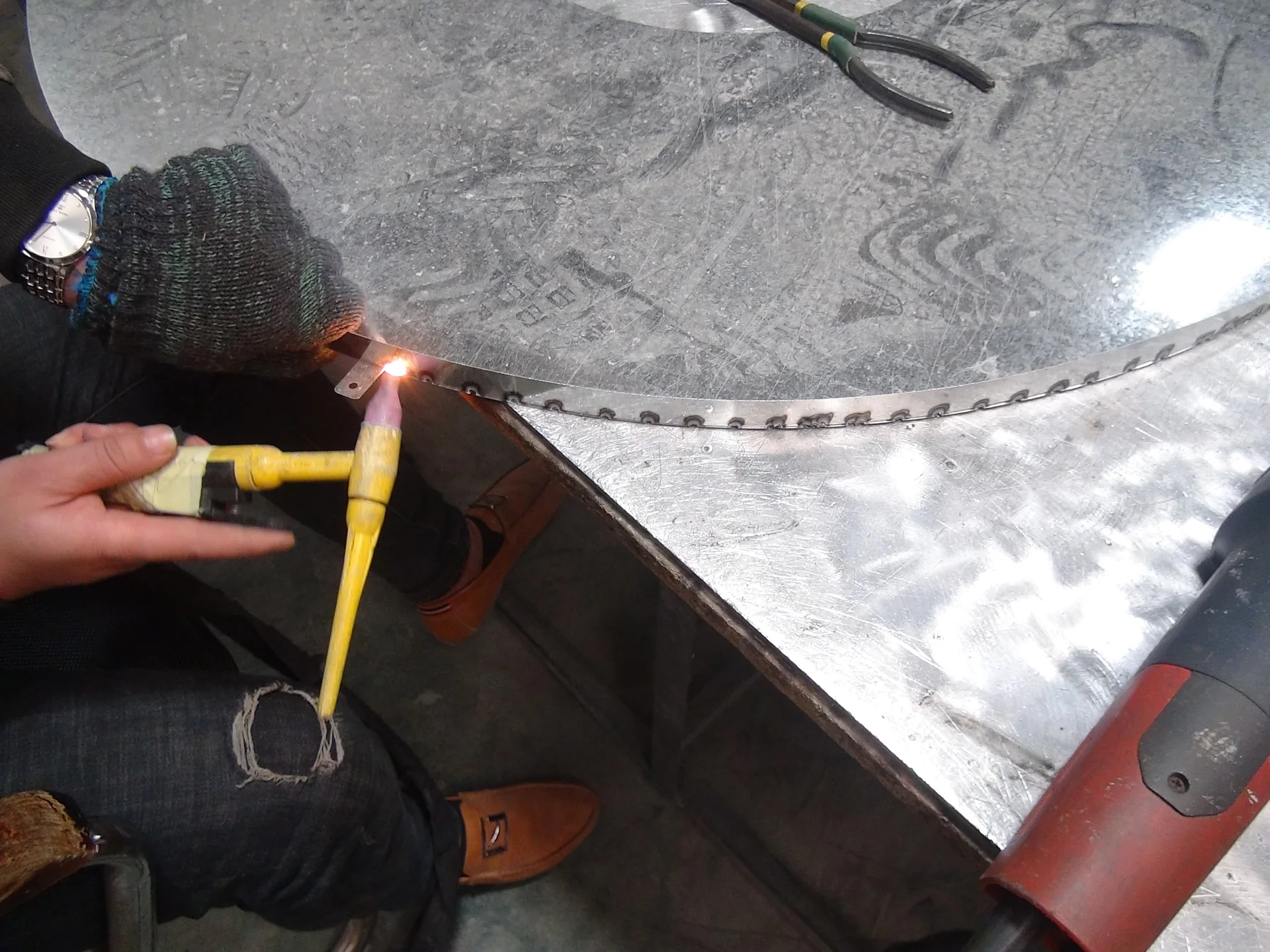
BUYER DECISION FRAMEWORK
Start With the Actual Project Conditions
A useful comparison begins with manufacturing scope, installation context and the real approval documents.
PROJECT INPUT
Trimless construction
The face-to-return junction emphasizes a cleaner edge appearance and requires close fabrication coordination.
- Understand face-retention geometry
- Evaluate visible edge appearance
- Consider letter shape and stroke width
BUYER DECISION
Trim-cap construction
A visible retaining edge creates a different visual character and affects how the face interfaces with the return.
- Review illumination and face fit
- Coordinate service access
- Match construction to application
This guide focuses on commercial storefronts, shopping centers and exterior building facades. It explains the decisions a manufacturing partner can review, the information a buyer should provide and the site-specific checks that remain the responsibility of qualified local installers. Final dimensions, components, documentation and delivery arrangements must always be confirmed for the actual project.
TECHNICAL REVIEW
Compare Trimless and Trim-Cap Face-Retention Details
For channel letters, the right approach depends on the relationship between acrylic faces, formed metal returns, back panels and project-appropriate LED components. Each decision below should be reviewed against a specific drawing, the installation environment and the information supplied by the local project team.
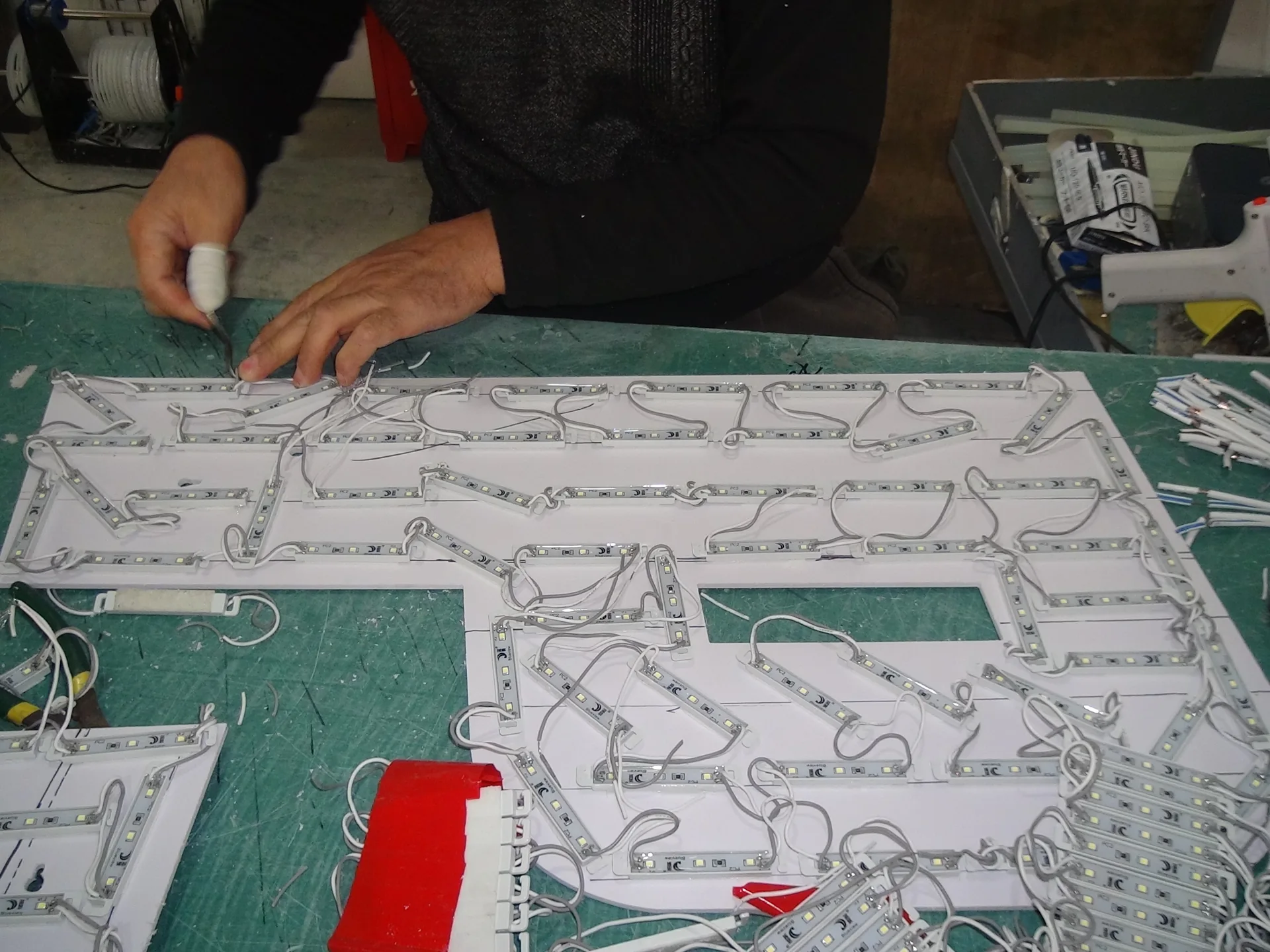
Understand face-retention geometry
The critical distinction is how the illuminated face is held against the fabricated letter return.
Review a section drawing showing the actual project-specific retention detail. The goal is to eliminate assumptions before fabrication begins. A supplier cannot reliably verify concealed building conditions or local requirements from an isolated product photograph, so available elevations, site images and installer comments should be reviewed alongside the approved artwork.
Evaluate visible edge appearance
The face perimeter, edge thickness and junction line affect how the letter reads at close range.
Compare the requested brand finish against sample references without assuming every trimless detail is identical. This is especially important when the project includes detailed branding, multiple sign elements or a customer-facing architectural finish. Any unresolved interface should be identified on the drawing rather than left to interpretation after materials have been processed.
Consider letter shape and stroke width
Small internal corners, narrow strokes and detailed logos influence fabrication practicality.
Identify complex geometry early so engineering can recommend an appropriate construction approach. For repeat programs or phased delivery, document the approved construction reference so later orders follow the same project intent. Changes to dimensions, components or site conditions should trigger another review before a revised assembly is manufactured.
Review illumination and face fit
Face seating, return depth and LED positioning work together to control visible uniformity.
Confirm whether the proposed detail supports the intended finish and service approach. The goal is to eliminate assumptions before fabrication begins. A supplier cannot reliably verify concealed building conditions or local requirements from an isolated product photograph, so available elevations, site images and installer comments should be reviewed alongside the approved artwork.
Coordinate service access
Different face-retention methods may change how components are reached after installation.
Ask which access method is intended for the actual project rather than assuming one universal design. This is especially important when the project includes detailed branding, multiple sign elements or a customer-facing architectural finish. Any unresolved interface should be identified on the drawing rather than left to interpretation after materials have been processed.
Match construction to application
Premium interior branding and long-distance storefront visibility may prioritize different construction details.
Balance appearance, installation conditions and manufacturing complexity before approving drawings. For repeat programs or phased delivery, document the approved construction reference so later orders follow the same project intent. Changes to dimensions, components or site conditions should trigger another review before a revised assembly is manufactured.
Evaluate the Approved Channel Letter Signs Production Scope
For sign shops, commercial contractors and brand procurement teams, this review creates a practical handover between brand approval, engineering, fabrication and local installation. The objective is not to promise a universal material, delivery date or certification. It is to define a reviewable project scope, identify unknowns early and align the finished channel letter with the documented commercial application.
Published Technical References for Channel Letter Signs
A complete project review should identify face-retention sections, visible edge width, acrylic tolerances, narrow strokes, corner geometry and service-access expectations. Confirm which details are already fixed in the approved drawing, which depend on the actual installation site, and which require a written answer from the buyer, local installer or factory before production begins.
Use the published artwork and file preparation guide to check vector artwork, controlled dimensions, color references and project inputs. Refer to the front-lit versus halo-lit channel letter comparison when the project team needs to separate lighting-direction decisions from the construction question covered in this guide. These references address adjacent decisions without substituting for the article’s specific engineering scope.
Keep the review centered on the actual channel letter signs construction, site interface and approval responsibilities. Maintain the latest project dimensions, finish references and identified installation limitations together so the quotation, production drawing and installer handover follow the same controlled information.
| Project decision | Manufacturing or installation review |
|---|---|
| Understand face-retention geometry | Review a section drawing showing the actual project-specific retention detail. |
| Evaluate visible edge appearance | Compare the requested brand finish against sample references without assuming every trimless detail is identical. |
| Consider letter shape and stroke width | Identify complex geometry early so engineering can recommend an appropriate construction approach. |
| Review illumination and face fit | Confirm whether the proposed detail supports the intended finish and service approach. |
| Coordinate service access | Ask which access method is intended for the actual project rather than assuming one universal design. |
| Match construction to application | Balance appearance, installation conditions and manufacturing complexity before approving drawings. |
Review PridLED’s channel letter signs to connect these technical decisions with the appropriate commercial product category.
TECHNICAL BUYER FAQ
Trimless and Trim-Cap Construction Questions
Clarify scope, project inputs and installation responsibilities before requesting a manufacturing review.
What should a trimless-versus-trim-cap sample show?
Ask for the actual face-retention section, visible perimeter, corner treatment and removal method. Review a representative narrow stroke or detailed logo element; a front-on rendering cannot show how the face is held or serviced.
FACTORY-DIRECT PROJECT REVIEW
Planning a Channel Letter Project?
Send your artwork, dimensions, site conditions and delivery requirements. PridLED can review the relevant construction, engineering and handover inputs before preparing a project-specific quotation.