

ENGINEERING / MANUFACTURING · BUYER GUIDE
How to Reduce Shipping Damage on Custom Signs
Reducing sign shipping damage starts before the crate is designed. The fabrication team should identify parts that can be bent, scratched or loaded incorrectly, and the logistics team should explain the route and handling constraints. Packaging is the interface between those two sets of information.
Identify likely failure points
Review unsupported spans, face edges, projecting studs, loose accessories and removable panels. Decide which parts should travel separately and which should remain assembled. A component that survives normal installation loads may still be damaged by an unintended point load inside a package.
Prevent movement and contact
Use restraints and separators appropriate to the sign’s weight and finish. Avoid placing loose metal hardware beside a decorative face. Confirm that protective materials are compatible with the finish, especially when surfaces will remain covered during storage. Do not assume a generic film or foam is suitable for every coating.
Account for transfers and receiving access
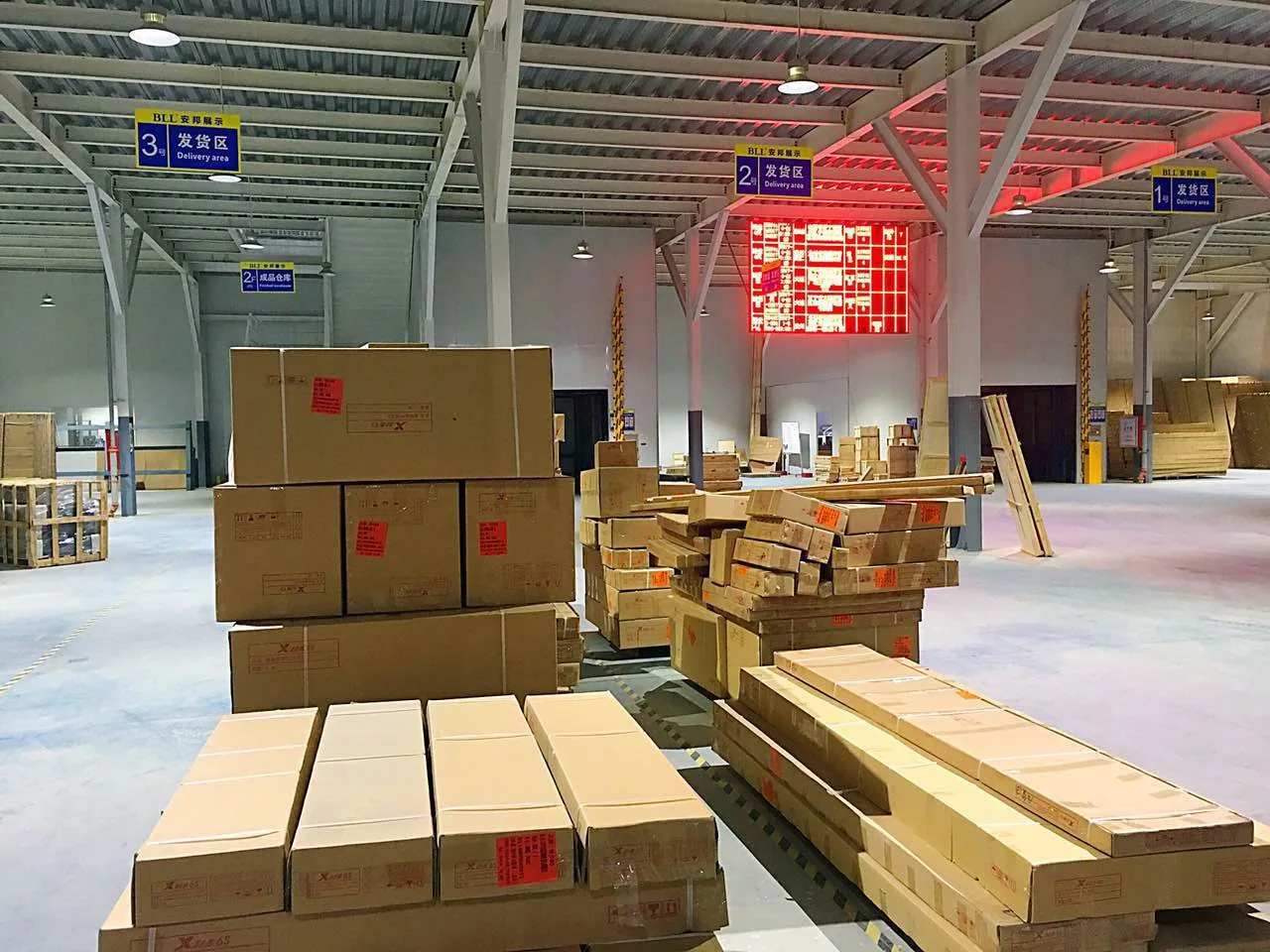
Tell the packer whether the shipment will pass through several handlers, require repacking or arrive at a site with restricted unloading space. Confirm package dimensions and the agreed lifting arrangement with the receiving team. A well-protected crate can still be mishandled if its weight distribution and access needs are unclear.
Make inspection and evidence practical
Ask for pre-dispatch packing photographs and an identifiable contents list. On receipt, document visible package condition before opening and inspect the sign before discarding protection. Report any issue with package identifiers and photographs under the agreed transport procedure so the parties can trace what happened.
Buyer review checklist
- Product vulnerability review
- Movement restraint and separation
- Finish-compatible protection
- Route and unloading constraints
- Pre-dispatch evidence
- Receiving inspection procedure
Should every small sign use a crate?
Choose the package according to construction, weight, route and handling. A crate is one option, but its internal support still needs to suit the product.
Related technical and project resources
Packaging & Logistics · Export Packaging Checklist · Shipping Channel Letters Internationally: Packing and Handover Considerations
Ready to discuss a project? Send artwork, dimensions and site details for review.