SUPPLIER SELECTION · TECHNICAL BUYER GUIDE
What the ten-point audit covers
Most failed sign orders are not production failures. They are selection failures: an enquiry reaches a trading company with no fabrication floor, the work is subcontracted to the cheapest workshop in the area, and the first indication of trouble arrives when the letters are already in a crate. The audit below takes about two weeks of remote work and nothing except patience.
- Ask for evidence that can be checked independently, not for reassurance.
- Separate what the factory owns from what it buys in — both matter, but they are different questions.
- Keep the commitment small until a drawing has been approved and one sample has been seen.
Factory or Trading Company?
Neither is automatically wrong. A trading company can be a competent export partner with good quality control. The problem is an intermediary presenting itself as a factory, because the commercial terms and the schedule then carry a margin and a queue that nobody has disclosed.
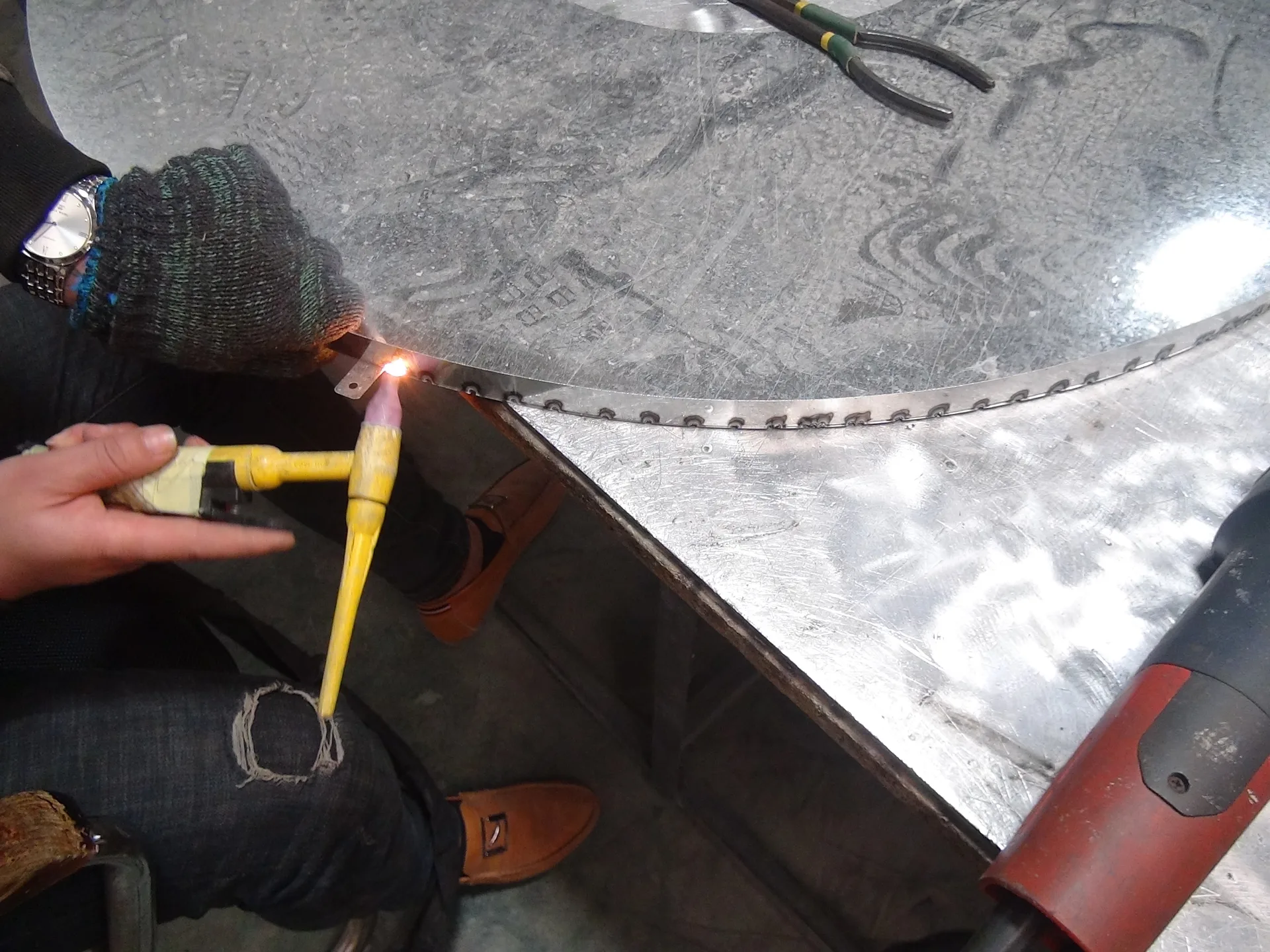
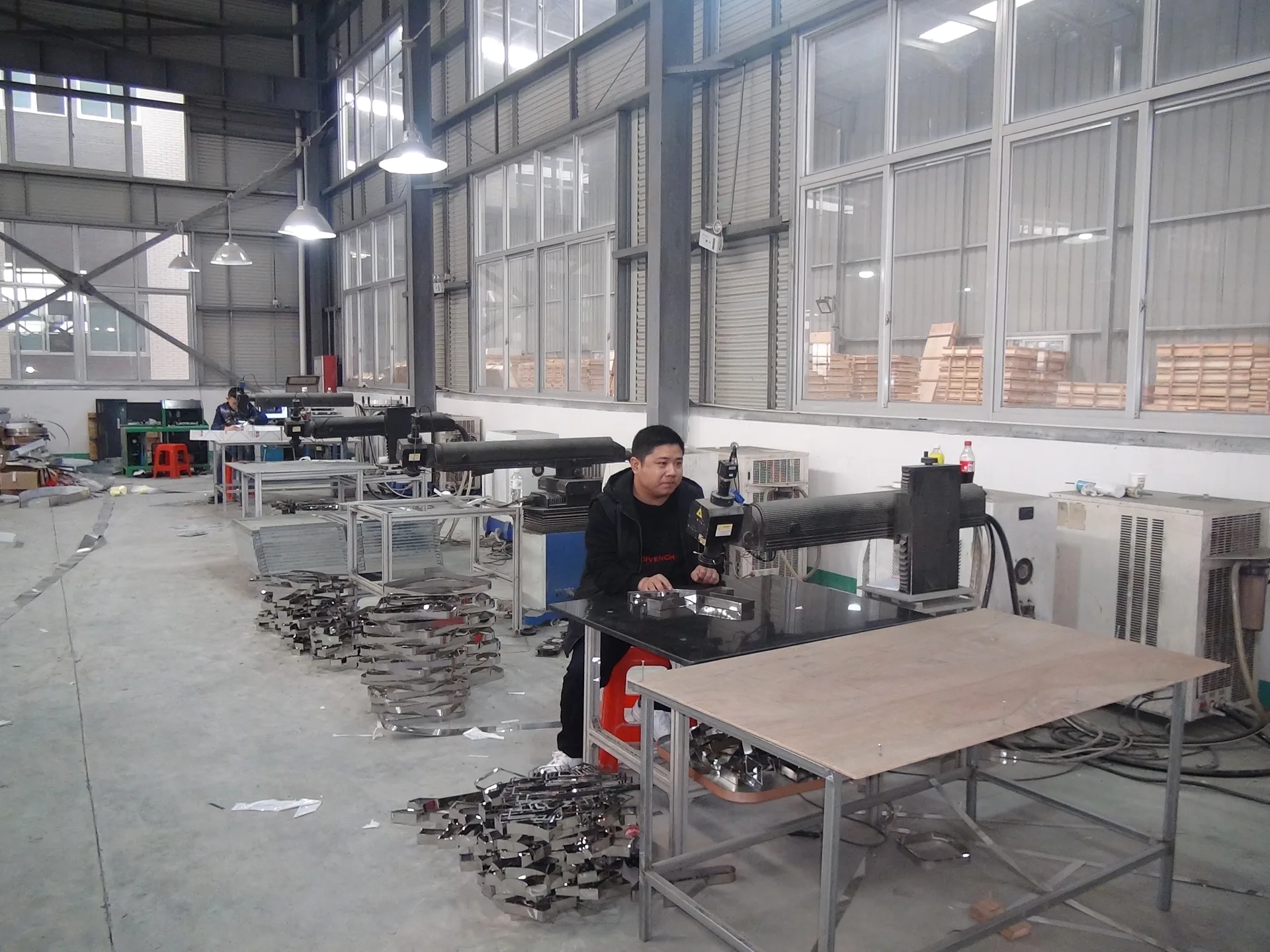
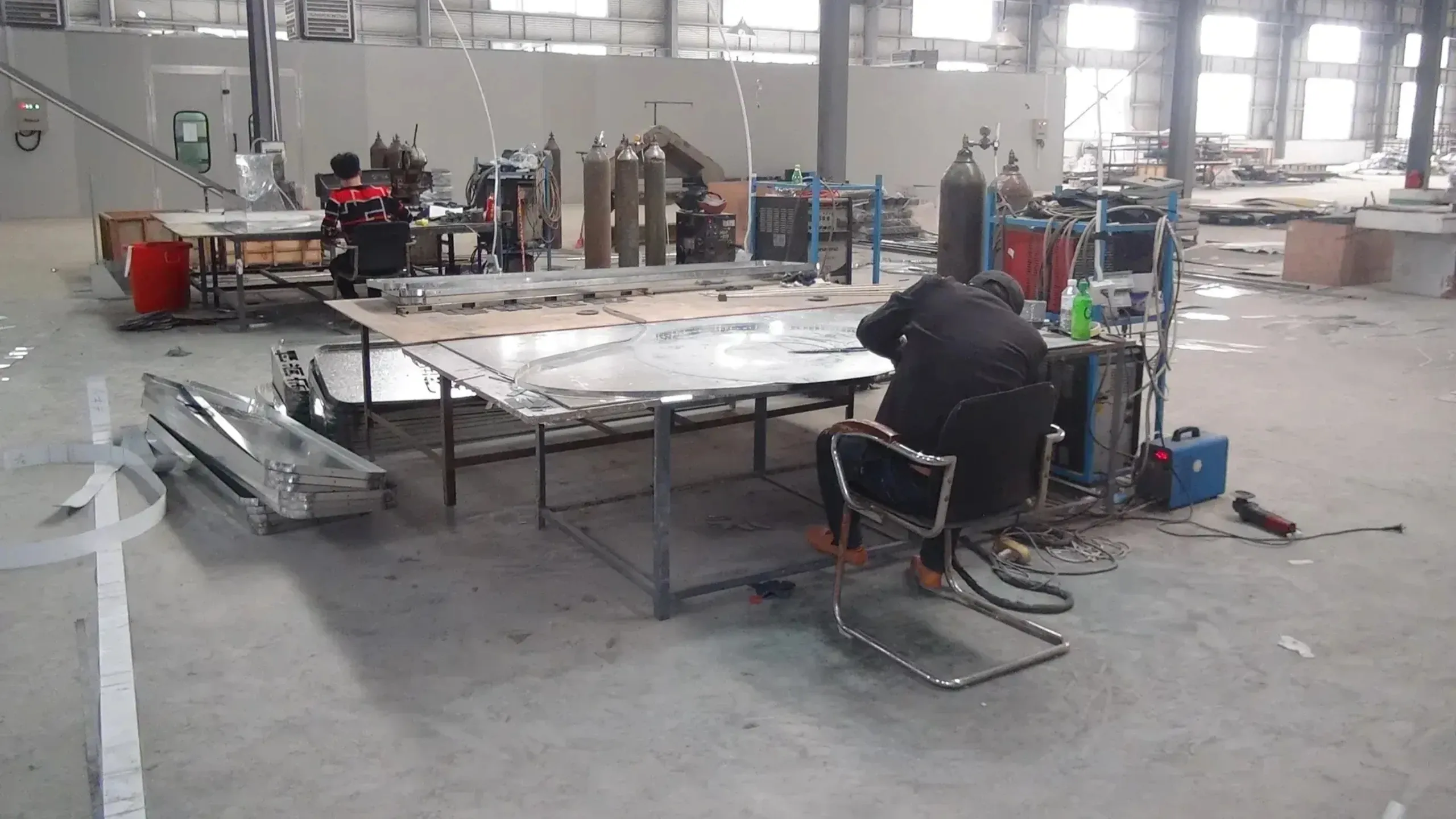
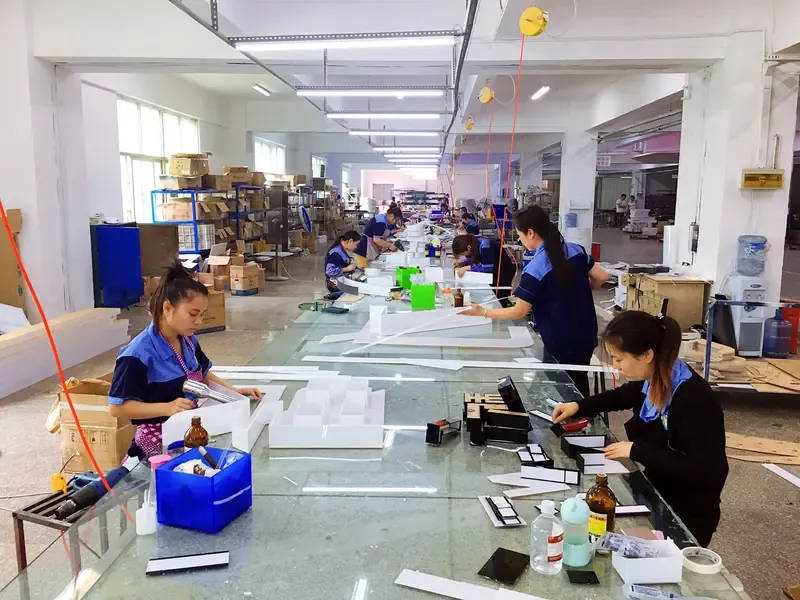
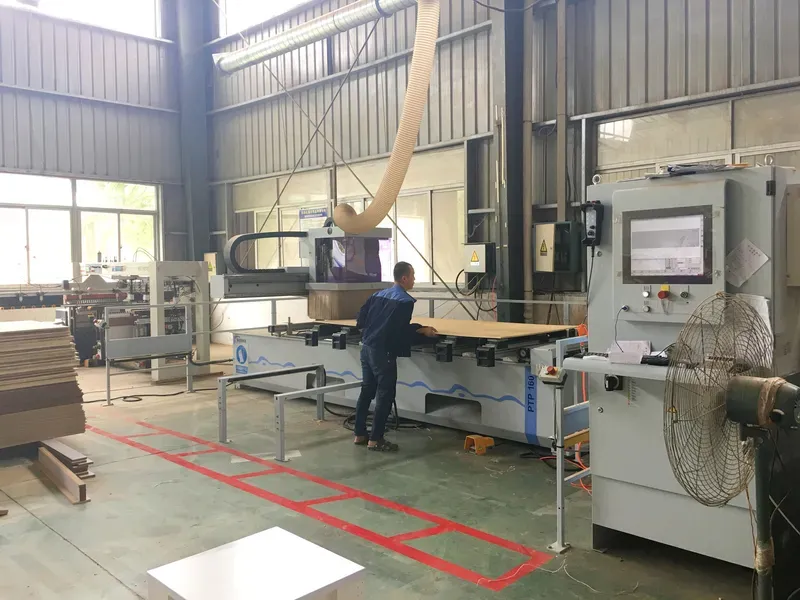
A real sign factory has capital equipment that cannot be faked in a photograph: a CNC router or laser cutter capable of cutting 3–5 mm aluminium composite and acrylic, a bending machine for return edges, welding equipment for trimless and reverse-lit housings, a paint or powder-coat line, and an assembly area where LED modules are soldered and wired. Ask for a walk-through video of each of these with the machine running, and ask the operator to open a cabinet or start a cut while filming.
The Ten-Point Audit
| Point | What to ask for | What a weak answer looks like |
|---|---|---|
| 1. Legal entity | Business licence, registered name, address and scope of business | A name that differs from the website, or scope that does not cover sign manufacture |
| 2. Site | Floor area, street view of the entrance, dated walk-through video | Only catalogue renders and stock photography |
| 3. Equipment | Video of CNC, bending, welding and paint in operation | “Our partner factory” without naming or showing it |
| 4. Certification holder | Certificate names and scope, with file numbers | Documents belonging to a supplier or another company |
| 5. Drawing workflow | A real shop drawing set for a past job, dimensioned and approved | Approval by email text or WhatsApp description only |
| 6. QC records | Per-batch inspection sheets with photographs of the actual signs | A generic checklist with no product photos attached |
| 7. Electrical test | Ageing and illumination test record, with duration and failure count | “All tested” with no record of what was tested |
| 8. Packing | Photos of the crate and carton labelling for a multi-site delivery | One carton photo reused across every project |
| 9. References | Two customers in your region willing to be contacted | Logos with no permission to be named |
| 10. Terms | Payment schedule, lead time, warranty and replacement path in writing | Verbal assurances about “our quality” and no written schedule |
Verify Certificates by the Holder, Not the Logo
A CE declaration, a RoHS report and an ISO 9001 certificate each name a holder. Read the holder name against the company you are buying from. It is common for a compliance report to belong to the LED module supplier rather than the sign factory, which is legitimate if it is described that way and dishonest if it is presented as the factory’s own.
ISO 9001:2015 and ISO 14001:2015 can be checked against the issuing body’s register using the certificate number. For electrical components, ask for the report number and the tested model, then confirm the model matches what is specified for your job.
Test the Drawing Process Before the Production Process
The most reliable predictor of a good outcome is not the workshop, it is the drawing process. Ask for a shop drawing set from a completed project and look for four things: every dimension on the signage, the mounting method, the wiring diagram with the driver position, and an approval signature with a date.
A supplier who cannot produce a dimensioned drawing for a past job will not produce one for yours. When that happens, the installation is designed on site by an installer working from photographs, and the difference is paid for in labour and rework.
How to Verify Remotely Without Flying There
- Request a video call at a stated time and ask to see a specific machine, not the reception area.
- Ask the operator to write today’s date on a sheet and place it next to the workpiece being cut or welded.
- Ask for the packing area for a job shipping this week, with the carton labels visible.
- Send a small test order — one letter, one channel letter set, one small neon piece — and judge the drawing, the packing and the paperwork.
- Ask what happens if a section arrives damaged; the answer should describe a replacement process, not a credit.
Payment Terms That Protect Both Sides
A 30/70 split against an approved drawing and pre-shipment photographs is the usual structure for a first order. Paying 100% up front removes every incentive to fix a problem found at inspection; paying nothing up front is equally unreasonable for a custom fabrication that cannot be resold.
For larger projects, stage payments tied to milestones — drawing approval, fabrication complete, pre-shipment inspection passed — are clearer than a single percentage split. Whatever is agreed, put the milestone definitions in the purchase order, including who pays for rework if the inspection fails.
Red Flags Worth Ending the Conversation For
- The company cannot name the factory that will fabricate the order.
- Certificates are offered as images but file numbers are refused.
- Figures are offered per sign without any dimension or material schedule.
- Lead time is stated before a drawing exists.
- Payment is requested to a personal account rather than a company account.
- Every question is answered with a brochure page instead of a specific number.
Frequently Asked Questions
Is a trading company always a worse choice than a factory?
No. A good trading company with a documented QC process and a named factory can be easier to work with than a factory that does not export. What matters is that the relationship is disclosed: who fabricates, who inspects, and who is accountable for a replacement.
How large an order should I place first?
Large enough to be a real production run — a single letter does not reveal packing, labelling or schedule discipline — and small enough to absorb if it goes wrong. One small multi-piece project with a tight deadline tests more than a large order with a loose one.
What if the factory passes the audit but the first batch has problems?
That is a process question rather than a selection question. Ask for the inspection record for that batch and compare it with the approved drawing. A factory that can produce a record can usually explain and correct the deviation; one that cannot has no control over the next batch either.
Related Technical Resources
- Sourcing Custom LED Signs From China: What to Check Before Ordering
- OEM Sign Manufacturer: How a White-Label Programme Works
- Sign Quality Control Checklist: What to Inspect Before Dispatch
- Sign Production Drawings: What a Factory Needs to Build From
If you are comparing suppliers for a specific project, send the artwork, dimensions and destination to our team through the contact page. You will receive a drawing-based scope and a production schedule, not a catalogue listing.
A vetting process only works if the answers can be verified. The manufacturer selection guide lists the proofs worth asking for, and the QC checklist is the standard those proofs should meet.